AT-6 Mike Hunt Alaska Wing

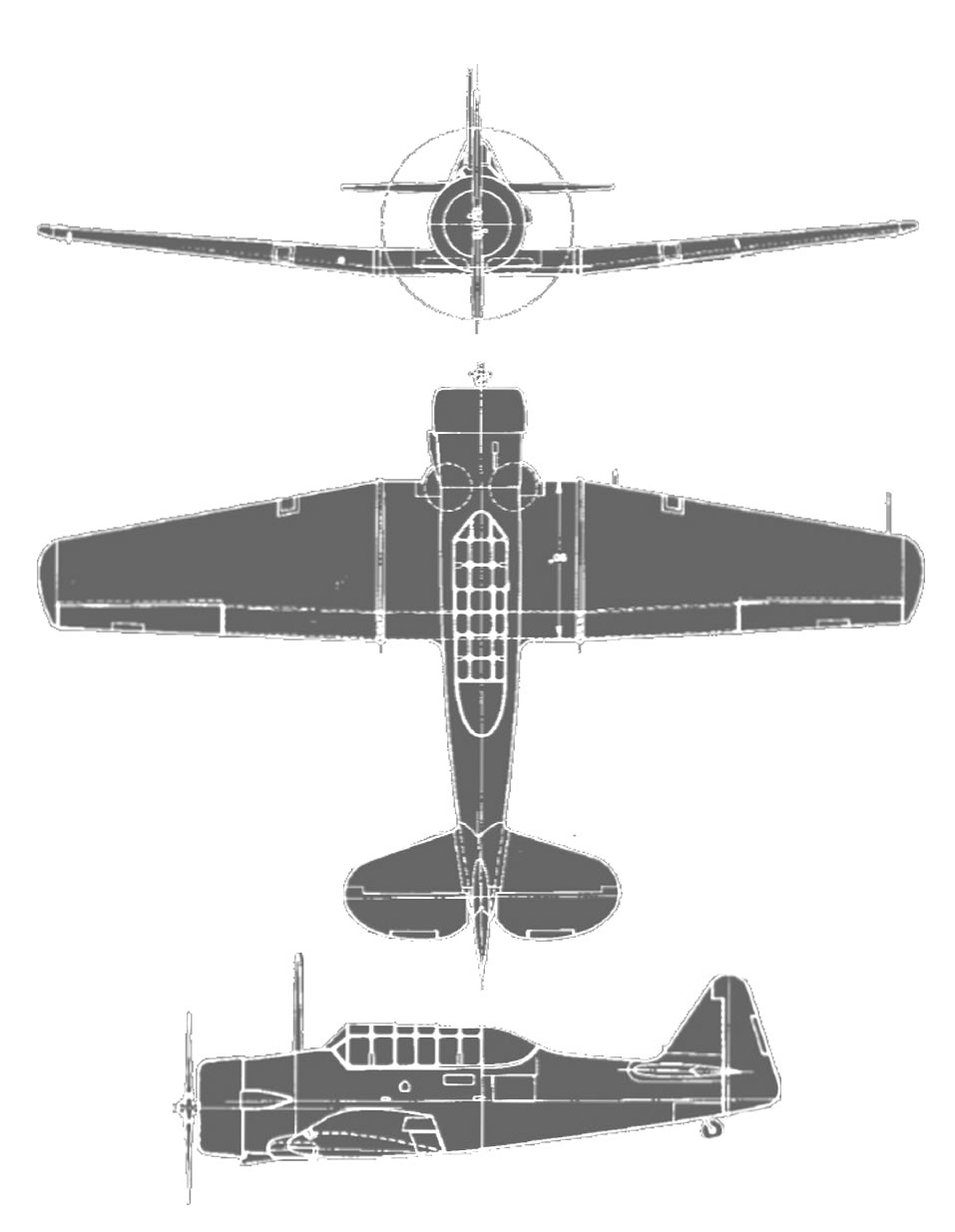
| AT-6 Specs | |
|---|---|
| Role | Trainer |
| Manufacturer | North American Aviation |
| Introduced | 1935 |
| Power | 1 × Pratt & Whitney R-1340-AN-1 Wasp radial engine, 600 hp |
| Length | 29 ft |
| Height | 11 ft 8 in |
| Wingspan | 42 ft |
| Range | 730 mi |
The North American AT-6 Texan served as the United States’ primary advanced trainer during World War II, preparing pilots for high-performance combat aircraft. Designed by North American Aviation, it was a single-engine, low-wing monoplane equipped with a more powerful radial engine, retractable landing gear, and a variable-pitch propeller—features that introduced student pilots to the handling of frontline fighters. In the U.S. Army Air Corps and U.S. Army Air Force, it was called the AT-6; the U.S. Navy designated it as the SNJ, and British Commonwealth air forces knew it as the Harvard.
The AT-6 was vital to the Allied training program, serving as the last step before pilots transitioned to operational aircraft. It was used not only by the United States but also by the Royal Air Force and many Allied nations, remaining in service with some countries until the 1970s. A total of 15,495 units were produced, making it one of the most widespread advanced trainers of its time. Today, the T-6 remains a popular warbird, frequently appearing at airshows and often restored as replicas of Japanese aircraft such as the A6M Zero.