
Flying in a WWII Bomber
What Does Flying in a World War II Bomber Actually Feel Like?
Loud. Bumpy. Emotional.
Ask anyone who has flown aboard a restored World War II bomber, and you'll likely hear those three words repeated again and again. Whether it's a Boeing B-17 Flying Fortress or a North American B-25 Mitchell, stepping aboard one of these historic aircraft is unlike any commercial flight experience. It's a journey into living history.
For many people, seeing a World War II bomber fly overhead is impressive. Flying inside one is something entirely different.
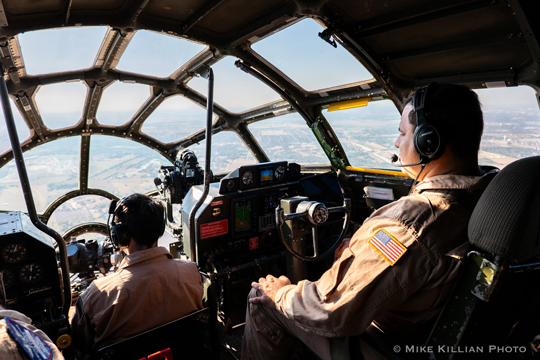
A great shot taken inside the B-29 Superfortress "FIFI." |
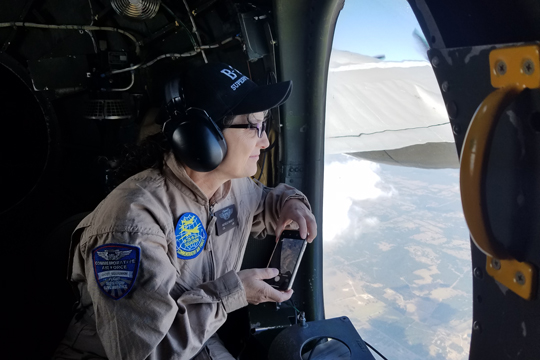
CAF member Michelle Baskett checks out the view during a B-29 flight. |
A Flying Time Machine
Modern airliners are designed for comfort, efficiency, and convenience. World War II bombers were designed for an entirely different purpose. Every inch of these aircraft was built to accomplish a mission in combat. When passengers board a restored bomber today, they quickly discover that these aircraft feel very different from the airplanes most people know. There are no jet bridges, climate-controlled cabins, or cushioned seats. Instead, visitors climb through hatches, step over structural components, and move through narrow passageways that connect the aircraft's various crew stations. The experience offers a rare glimpse into the world of the young men who flew these aircraft during World War II.
The Sound of History
One of the first things passengers notice is the noise. Aircraft like the B-17 Flying Fortress were powered by four large radial engines operating at high power settings. The result is an unmistakable roar that fills every corner of the aircraft. During World War II, crews often used little more than cotton for hearing protection, and hearing loss was common among bomber crews. The sound is so distinctive that producers of the Apple TV+ series Masters of the Air recorded audio from the Commemorative Air Force's B-17 Sentimental Journey to help recreate the authentic sounds of combat operations. Today, passengers wear modern hearing protection, but the powerful sound of the engines remains one of the most memorable parts of the flight.
Not a Smooth Airline Ride
Another surprise for first-time passengers is how much movement they feel. World War II bombers were built long before the era of sophisticated flight controls and passenger comfort. Every bump of air can be felt throughout the aircraft. The vibrations of the engines travel through the airframe, creating a flying experience that feels remarkably connected to the machine itself. Many passengers describe the sensation as exciting rather than uncomfortable. It provides a direct connection to aviation history that simply can't be experienced from an airline seat.
Exploring the Aircraft
One of the unique aspects of flying aboard a historic bomber is the opportunity to move through the aircraft and visit different crew positions. On a B-17, passengers can see the cockpit, radio compartment, waist gunner positions, and the famous bombardier's station in the nose. Each location offers a completely different perspective of the aircraft and the world outside. The B-25 Mitchell provides its own adventure. Reaching the bombardier's compartment requires crawling through a narrow tunnel beneath the cockpit. It's a tight squeeze by modern standards and gives passengers a new appreciation for the agility and determination required of wartime aircrews.
More Than Just a Flight
For many people, the most memorable aspect isn't the noise or the movement—it's the emotion. Standing in the same compartments once occupied by young airmen during World War II creates a powerful connection to history. These aircraft are more than museum pieces. They are living artifacts that continue to educate, inspire, and honor future generations. Passengers often leave with a deeper understanding of the challenges faced by the men who flew these bombers in combat. While no modern flight can fully replicate the conditions of wartime operations, flying aboard a restored warbird may be the closest experience available today.

Safety and Preservation
The Commemorative Air Force operates some of the world's most significant flying historic aircraft. While these aircraft retain their historic appearance and character, they are maintained under rigorous inspection and maintenance programs by highly trained volunteers and aviation professionals. Every flight helps preserve aviation history and allows new generations to experience these remarkable machines as they were meant to be experienced—in the air.
Why Flying Aircraft Matters
Many museums display historic aircraft behind ropes and barriers. While those exhibits are important, a flying aircraft tells its story in a way no static display can. The sound of the engines, the smell of the interior, the vibration of the airframe, and the view from a bombardier's compartment help transform history from something people read about into something they can experience firsthand. That is why organizations like the Commemorative Air Force work so hard to keep these aircraft flying.
Like stories like these?

About the Historian
Annie Joy Austin is an aviation journalist, photographer, and historian based in Fort Worth, Texas. She has worked in the aerospace industry for nearly a decade, including several years as a corporate historian for The Boeing Company. In that role, she collaborated with the Commemorative Air Force on a variety of projects focused on preserving and sharing aviation history. She is currently pursuing her Private Pilot License and hopes to one day fly with the CAF.
Frequently Asked Questions About Warbird Aircraft Rides
What is it like to fly in a WWII bomber?
Most passengers describe the experience as loud, bumpy, and emotional. The aircraft vibrates, the engines are powerful, and the experience feels very different from flying on a modern airliner.
Can regular people fly in a World War II bomber?
Yes. Many restored aircraft operated by organizations such as the Commemorative Air Force offer educational flight experiences to the public at select events around the country. You can visit www.CommemorativeAirForce.org/aircraft_rides for more information.
What aircraft does the Commemorative Air Force operate?
The CAF operates and preserves numerous historic aircraft, including examples of the Boeing B-17 Flying Fortress, North American B-25 Mitchell, Boeing B-29 Superfortress, and many other military aircraft from throughout aviation history. To learn more about the CAF's fleet of aircraft, visit www.commemorativeairforce.org/aircraft.
How loud is a WWII bomber?
Very loud. The radial engines produce a constant roar throughout the flight. Modern passengers wear hearing protection, but the sound remains one of the most memorable aspects of the experience.
Can you move around during the flight?
On many educational flight experiences, passengers can move carefully through portions of the aircraft when permitted by the crew, allowing them to see different crew stations and viewpoints.
Why are WWII bombers still flying?
Flying aircraft provide a unique educational experience that helps preserve history. They allow people to experience aviation heritage firsthand and better understand the service and sacrifice of the men and women who operated these aircraft during World War II.
Where can I fly in a WWII bomber?
The Commemorative Air Force's historic aircraft tour throughout the United States each year. Availability varies by aircraft and event schedule. Check upcoming tour schedules and flight opportunities through the CAF's aircraft and event listings at www.commemorativeairforce.org/events.